
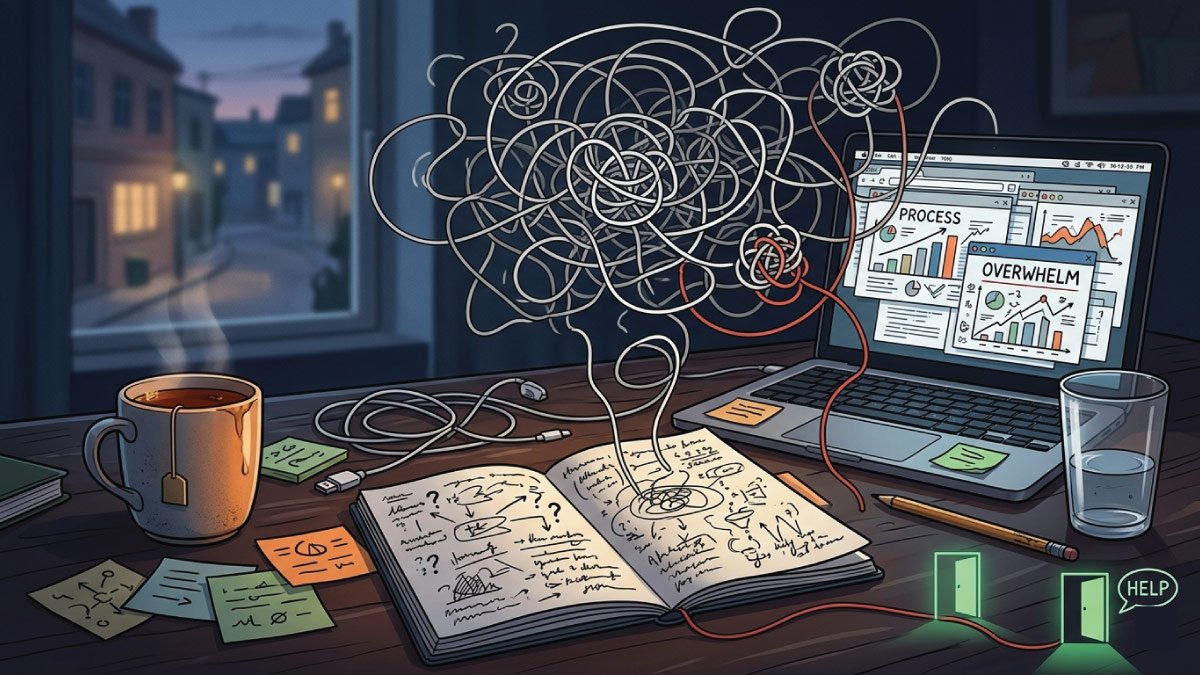
Overthinking is something many of us experience, often without realizing it. It sneaks into our thoughts, turning simple decisions into overwhelming dilemmas, and can even affect our mental and physical health. I’ve personally struggled with overthinking, and through trial and error, I’ve learned to recognize the signs and take steps toward better mental well-being. Here are 18 signs you might be overthinking too much and need support.
1. Constantly Replaying Conversations in Your Head
Personal Experience: I often find myself replaying past conversations from work, social events, or even casual chats. Every word, gesture, or tone comes under scrutiny. I analyze what I said, how it sounded, and how the other person might have interpreted it. Sometimes, I imagine alternative responses or wish I had phrased things differently. This mental loop can be exhausting and even impact my sleep or focus throughout the day. The more I dwell, the harder it is to move on, and I sometimes catch myself obsessing over trivial interactions that barely mattered at the time.
Signs:
Frequently imagining “what if” scenarios
Reliving minor conflicts or awkward moments repeatedly
Feeling guilt or regret over things beyond your control
Difficulty letting go of past interactions
Sleep disturbances due to overthinking
Tip:
Journaling can help release thoughts instead of letting them spin endlessly in your head. Writing down worries often reduces their intensity.
2. Difficulty Making Decisions
Personal Experience: Even small choices, like deciding where to eat lunch, can feel overwhelming. I spend 20–30 minutes weighing every option as if the decision is critical. I constantly worry about picking the “wrong” option, so I often ask friends or coworkers for advice. This habit extends to larger decisions, like work projects or personal plans, creating stress and unnecessary delays. Over time, indecision can make even simple tasks feel burdensome and erode confidence in your ability to trust your own judgment.
Signs:
Fear of making mistakes in even minor choices
Relying heavily on advice from others before deciding
Procrastination stemming from indecision
Anxiety before or after making a choice
Overanalyzing pros and cons endlessly
Example Table:
| Situation | My Reaction | Impact |
|---|---|---|
| Choosing lunch | 30 mins of indecision | Missed break |
| Buying clothes | Checked reviews 10 times | Stressful shopping |
| Work tasks | Asked 3 coworkers | Delay in completion |
3. Seeking Constant Reassurance
Personal Experience: I often found myself texting friends multiple times to confirm plans or check whether I said something the “right” way. The fear of upsetting someone or appearing wrong made me over-rely on others’ opinions. Without reassurance, anxiety would build, leaving me restless or insecure. While seeking guidance occasionally is natural, constant validation can hinder personal growth and confidence. It can also strain relationships when people feel pressured to continually affirm your choices or opinions.
Signs:
Asking others for validation excessively
Feeling anxious when you don’t receive confirmation
Over-reliance on friends, coworkers, or family for opinions
Doubting your decisions without external approval
Difficulty trusting your own judgment
Tip:
Practice daily self-affirmations. Repeating positive statements about your choices and abilities can build internal confidence and reduce dependence on external reassurance.
4. Overanalyzing Every Decision
Personal Experience: I once spent hours debating whether to respond to an email immediately or wait, imagining every possible consequence. This habit transforms simple tasks into complicated mental challenges. The constant worry about making mistakes or choosing the “perfect” action can leave you mentally exhausted and reduce productivity. Overanalysis can also amplify stress and prevent you from acting decisively, making even routine tasks feel draining.
Signs:
Making simple tasks unnecessarily complicated
Fear of making mistakes, even in low-stakes situations
Wasting excessive time on minor decisions
Feeling mentally drained from constant evaluation
Hesitation to act without perfect information
Tip:
Limit analysis time by setting small deadlines or rules for decision-making. Accept that not all decisions have significant consequences.
5. Feeling Stuck in a Loop of “What Ifs”
Personal Experience: I have spent nights lying awake, imagining countless hypothetical scenarios that will likely never happen. These “what if” thoughts can spiral, affecting mood, focus, and even sleep. This type of obsessive thinking makes it difficult to enjoy the present moment, as the mind constantly projects into an uncertain future. Over time, chronic stress and anxiety can develop, making daily life feel heavier than it should.
Signs:
Obsessive thoughts about unlikely or future events
Difficulty being present or enjoying current experiences
Heightened stress and anxiety
Sleep disruption caused by racing thoughts
Persistent worry even after making reasonable plans
Tip:
Mindfulness exercises and grounding techniques can help break the loop. Focus on present sensations and actions to reduce mental spiraling.
6. Physical Symptoms of Anxiety
Personal Experience: Overthinking doesn’t just affect the mind—it can manifest in the body. I noticed tension headaches after hours of replaying conversations or worrying about minor mistakes. My stomach would often feel uneasy, and I sometimes experienced digestive discomfort or rapid heartbeat. Anxiety’s physical toll can sneak up gradually, making daily life feel heavier and more exhausting. Recognizing these signs early is crucial because ignoring them can lead to chronic stress or more serious health problems.
Signs:
Muscle tension, especially in the neck, shoulders, or jaw
Frequent headaches or migraines
Rapid heartbeat or palpitations
Stomach aches, nausea, or digestive issues
General fatigue or restlessness
Tip:
Incorporate mindfulness exercises, deep breathing, and physical activity into your daily routine. Even a short walk or gentle stretching can release tension and reduce stress, helping the body and mind reset.
7. Perfectionism
Personal Experience: I often spent hours perfecting presentations at work, obsessing over minor details, and worrying that others would notice mistakes. The desire for perfection can make even simple tasks feel overwhelming and cause unnecessary stress. Over time, perfectionism can delay projects, reduce satisfaction with accomplishments, and amplify fear of criticism.
Signs:
Setting impossibly high standards for yourself
Constantly fearing criticism or judgment
Difficulty finishing tasks due to endless tweaking
Feeling unsatisfied even after completing work
Avoiding tasks to prevent imperfection
Table: Perfectionism Examples
| Task | My Behavior | Result |
|---|---|---|
| Presentation | Reworked slides 5 times | Missed deadline |
| Writing | Edited blog 10 times | Frustration |
| Cleaning | Reorganized 3 times | Wasted energy |
Tip:
Focus on progress over perfection. Set time limits for tasks and remind yourself that completing something is often more valuable than making it flawless.
8. Overthinking Social Situations
Personal Experience: After social events, I would replay every interaction, wondering if I annoyed someone or said the wrong thing. Even small comments would trigger anxiety and second-guessing. This cycle can create stress before, during, and after social situations, sometimes leading to avoidance or withdrawal.
Signs:
Ruminating over past conversations
Constantly second-guessing your words or behavior
Feeling anxious about upcoming interactions
Avoiding social events to prevent discomfort
Difficulty trusting that interactions were positive
Tip:
Practice self-compassion and remind yourself that no one notices every minor detail. Journaling or discussing concerns with a trusted friend can help process feelings without overthinking.
9. Insomnia or Poor Sleep
Personal Experience: Nights were often the hardest. My mind would race through worries about work, relationships, and health, making it nearly impossible to fall asleep. Even when I did manage to sleep, I often woke feeling unrested and drained. Over time, poor sleep amplified anxiety, creating a vicious cycle that impacted energy, focus, and mood.
Signs:
Difficulty falling asleep despite feeling tired
Waking up during the night and struggling to return to sleep
Feeling exhausted despite adequate sleep hours
Racing thoughts before bedtime
Difficulty concentrating during the day
Tip:
Establish a consistent night routine. Dim lights, limit screen time, and engage in calming activities such as reading, meditation, or gentle stretching to signal your brain it’s time to rest.
10. Constantly Checking Things
Personal Experience: I used to check my phone repeatedly, anxious about whether someone responded to a text or email. This habit fueled more anxiety, as I felt disconnected if I wasn’t actively monitoring messages. Checking behaviors can extend to social media, work notifications, or even physical items like locks or appliances, creating a persistent sense of unrest.
Signs:
Repeatedly checking emails, messages, or notifications
Obsessively monitoring social media activity
Feeling panic or unease when disconnected
Difficulty focusing due to constant checking
Anxiety spikes if unable to access devices
Tip:
Set designated times to check messages and notifications. Limit device use, and practice grounding techniques when urges to check arise, helping break the cycle of anxiety.
11. Avoiding Decisions Altogether
Personal Experience: There were times I avoided making choices entirely to escape the stress and anxiety of overthinking. Even small decisions felt like potential minefields, so I’d defer to others or postpone indefinitely. Over time, this avoidance created a sense of helplessness, making me feel powerless in my own life. Avoiding decisions can temporarily reduce anxiety, but it often increases stress in the long term, as tasks pile up and opportunities are missed. Recognizing this habit is key to reclaiming control and building confidence in your own judgment.
Signs:
Postponing important personal or work decisions
Delegating choices to others unnecessarily
Feeling powerless or lacking control in daily life
Anxiety spikes when forced to make decisions
Reliance on routines to avoid choices
Tip:
Start with small, low-stakes decisions to build confidence and gradually take on bigger choices.
12. Feeling Overwhelmed by Small Tasks
Personal Experience: Simple errands, like grocery shopping or paying bills, often felt overwhelming. My mind magnified every potential problem, from forgetting something to making a wrong choice. This habit made ordinary tasks feel like major challenges, causing stress and procrastination. Over time, even routine responsibilities seemed daunting, reducing my overall productivity and increasing anxiety.
Signs:
Minor tasks feel unmanageable or exhausting
Feeling paralyzed by too many options
Worrying excessively about completing tasks perfectly
Procrastinating due to anxiety
Sense of dread before starting daily responsibilities
Tip:
Break tasks into smaller, manageable steps and focus on one thing at a time. Celebrate completing even minor tasks to build momentum and confidence.
13. Difficulty Concentrating
Personal Experience: My constant inner dialogue and overthinking made it hard to focus at work or school. Even straightforward tasks required multiple reminders or notes. Thoughts kept drifting to past mistakes, future worries, or “what if” scenarios, which reduced productivity and increased stress. Difficulty concentrating often worsens over time if not addressed, as stress and mental fatigue compound.
Signs:
Mind wandering frequently during tasks
Forgetfulness or missing details
Struggling to complete assignments on time
Reduced productivity or efficiency
Frustration with inability to focus
Tip:
Try focus techniques like the Pomodoro method, mindfulness, or short breaks to reset attention and reduce mental clutter.
14. Obsessive Planning
Personal Experience: I once created a 20-page itinerary for a weekend trip, stressing over every meal, route, and activity. While planning can be useful, over-preparing and obsessing over details increases stress and leaves no room for flexibility or enjoyment. Obsessive planning often stems from fear of uncertainty and can make spontaneous moments feel impossible.
Signs:
Over-preparing for events, trips, or meetings
Difficulty adapting to changes or surprises
Stress about potential problems that may never happen
Compulsive checking or double-checking plans
Feeling guilty when plans aren’t perfectly executed
Tip:
Plan only essential items and leave space for flexibility. Embrace spontaneity as part of the experience—it often leads to the most memorable moments.
15. Negative Self-Talk
Personal Experience: I frequently criticized myself internally, replaying conversations and mistakes while asking, “Why did I say that?” or “I’m not good enough.” This harsh inner dialogue eroded confidence and increased anxiety. Negative self-talk reinforces feelings of inadequacy, even when achievements prove otherwise. Over time, it can affect self-esteem, motivation, and emotional wellbeing. Recognizing and reframing these thoughts is critical for building resilience.
Signs:
Harsh self-criticism after mistakes
Dwelling on failures or perceived shortcomings
Feeling inadequate despite accomplishments
Comparing yourself unfavorably to others
Difficulty celebrating successes
Table: Negative Self-Talk vs Positive Reframe
| Negative Thought | Positive Reframe |
|---|---|
| “I always mess up.” | “I’m learning and improving.” |
| “They don’t like me.” | “Not everyone will click, and that’s okay.” |
| “I’m not good enough.” | “I am capable and worthy.” |
Tip:
Regularly practice reframing negative thoughts into constructive statements to strengthen self-compassion and reduce anxiety.
16. Constant Worry About the Future
Personal Experience: My mind often fixated on career prospects, financial stability, and long-term plans. Thoughts about potential failures, missed opportunities, or unexpected challenges consumed energy that could have been spent in the present. This constant anticipation of what might go wrong increased stress and made it difficult to focus on daily tasks. Over time, I realized that worrying excessively about the future often prevents action in the present, creating a cycle of anxiety and inaction.
Signs:
Persistent fear of unknown outcomes
Over-planning for every possible scenario
Anxiety about long-term goals or life direction
Difficulty enjoying current achievements
Avoiding decisions due to fear of future consequences
Tip:
Focus on what can be controlled today. Break long-term goals into small, achievable steps, and remind yourself that the future is unpredictable but manageable when approached gradually.
17. Difficulty Letting Go
Personal Experience: After arguments or stressful events, I would replay the situation in my mind for days or weeks, analyzing every word and action. This mental habit made it hard to move forward, leaving me stuck in negative emotions and draining mental energy. Holding onto grudges or past mistakes affected both my mood and relationships. Recognizing that dwelling on the past does not change it was key to breaking the cycle of overthinking and regaining peace of mind.
Signs:
Inability to move past mistakes or conflicts
Holding grudges mentally, even without confrontation
Reliving unpleasant events repeatedly
Difficulty forgiving oneself or others
Persistent stress related to past situations
Tip:
Journaling or talking to a trusted friend can help release lingering thoughts. Mindfulness and focusing on the present moment are powerful tools for letting go.
18. Feeling Emotionally Drained
Personal Experience: Constant overthinking left me feeling emotionally and physically depleted. Even after resting, I often felt exhausted because my mind never truly switched off. Emotional sensitivity increased, making me more reactive and easily stressed. This mental fatigue affected focus, relationships, and overall well-being. Overthinking consumes energy because the brain is stuck in a loop of analysis, worry, and self-criticism, leaving little capacity for joy or relaxation.
Signs:
Chronic fatigue despite rest
Heightened emotional sensitivity
Feeling mentally burdened and overwhelmed
Irritability or low patience
Reduced motivation or enthusiasm
Tip:
Regular breaks, meditation, and physical activity can restore energy. Set aside time to decompress mentally, allowing your mind and body to recover.
Conclusion
Overthinking is more than just a habit—it’s a pattern that can quietly drain your energy, cloud your judgment, and affect your well-being. The first step to breaking free is awareness: recognizing the signs in yourself and acknowledging that it’s okay to seek help.
From my personal journey, I’ve realized that progress isn’t about stopping overthinking overnight; it’s about creating small, intentional changes—whether it’s journaling to release repetitive thoughts, practicing mindfulness to stay present, or seeking guidance from a therapist or support group. Each step forward, no matter how small, is a victory.
Remember, your mind is a powerful tool, but it works best when you guide it, not when it controls you. Overthinking doesn’t define you—it’s a challenge you can overcome, one thought at a time.